

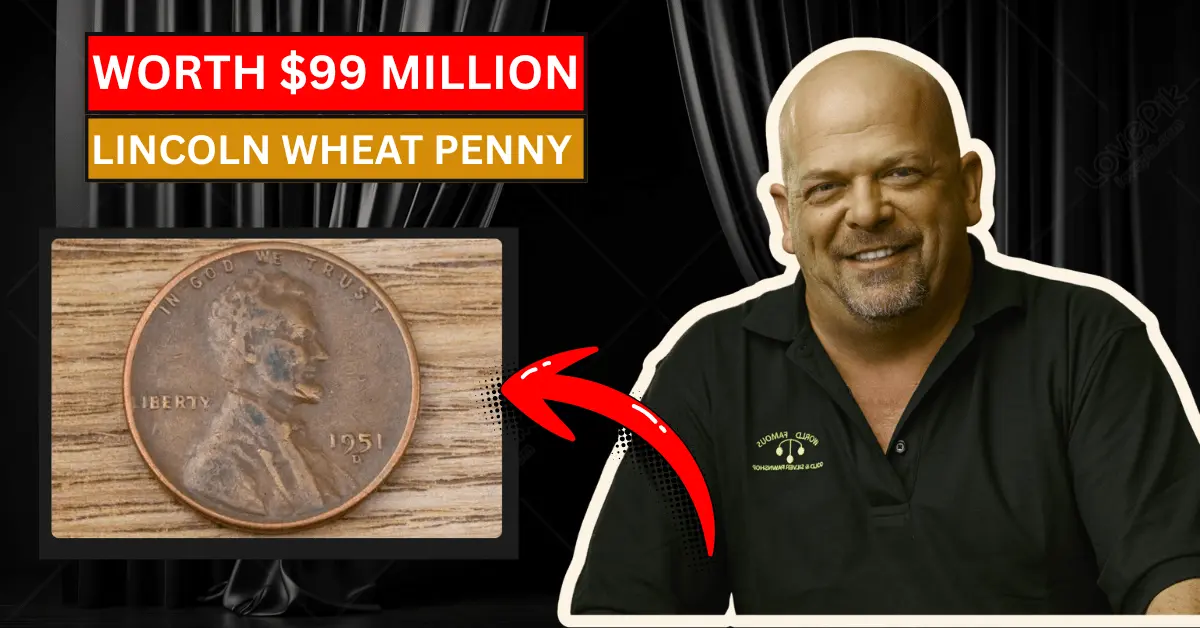
Everyday objects often carry hidden stories, and few items embody this idea as profoundly as coins. While most pennies are worth only their face value, some rare specimens hold incredible historical significance and can command astronomical prices in the collector’s market. Among them, the legendary 1943 copper Lincoln wheat penny stands as one of the most iconic and sought-after treasures in American numismatics. With potential valuations reaching up to $99 million, this small coin encapsulates a tale of war, mistake, scarcity, and immense value.
This article explores the fascinating history, unique features, methods of identification, and the extraordinary legacy of the 1943 copper penny. Whether you are an avid collector or someone curious about the possibilities hiding in a jar of loose change, the story of this penny is one worth knowing in detail.
Why the 1943 Copper Penny is So Special
The 1943 copper penny holds a legendary status because it was never supposed to exist. During World War II, the U.S. Mint redirected copper supplies toward producing ammunition and military equipment. As a result, pennies minted in 1943 were struck in steel with a thin zinc coating, creating a silver-colored coin.
However, a few copper planchets from 1942 were mistakenly fed into the presses, resulting in a handful of pennies being minted in copper rather than steel. These accidental survivors became instant anomalies in American coinage history.
Experts estimate that fewer than 20 authentic specimens exist today, making this coin far rarer than most gold or silver issues. The extreme scarcity, combined with its fascinating backstory, has driven its value to astonishing levels.
Historical Context: America in 1943
To fully appreciate the significance of the 1943 copper penny, it’s essential to understand the circumstances in which it was created.
-
World War II Effort: Copper was considered a critical war material, vital for producing shell casings, communications equipment, and other military necessities.
-
The Mint’s Response: To conserve copper, the Mint switched penny production to zinc-coated steel, producing over a billion steel cents in 1943.
-
Public Reaction: These steel pennies were unpopular because they rusted quickly, were confused with dimes, and often jammed vending machines.
-
Return to Copper: By 1944, the Mint resumed using copper (actually bronze) for pennies, but the steel cents and the rare copper error coins from 1943 remained historical anomalies.
The copper penny is therefore more than just a numismatic error—it is a tangible relic of a time when every ounce of metal was tied to the nation’s survival and wartime economy.
Don Lutes Jr. kept the 1943 copper penny he stumbled upon in his high school cafeteria seven decades ago in a safe behind a wall in his Massachusetts home, and it fetched a pretty penny at auction: $204,000 https://t.co/crBsORPK1f
— CNN (@CNN) January 11, 2019
Identifying a Genuine 1943 Copper Penny
Because of its immense value, counterfeits and altered coins abound. Knowing the differences is essential for anyone hoping to identify a real specimen.
Key Identification Factors
-
Date: The coin must display 1943 clearly on the obverse (front) with Lincoln’s portrait.
-
Design: The reverse should feature two wheat stalks framing the words “ONE CENT,” consistent with the wheat penny design used from 1909 to 1958.
-
Composition: Genuine 1943 copper pennies are made of copper and weigh about 3.11 grams.
-
Color: They appear brownish-red like other copper coins, not silvery like the steel versions.
-
Magnet Test: Copper is not magnetic, while the steel pennies stick to magnets.
-
Weight Test:
-
Copper penny: ~3.11 grams
-
Steel penny: ~2.7 grams
-
Counterfeit Warning
Many counterfeits exist, often made by copper-plating steel pennies or altering the dates on coins from nearby years, such as 1945, 1948, or 1949.
Unbelievable! 💰💎 The Lincoln Wheat Penny valued at $121 million is still out there in circulation! Let’s uncover the fascinating history and importance of this iconic coin. LincolnWheatPenny, info below 👇 pic.twitter.com/od6c80xhWq
— Dr. CZ (@AngelMD1103) March 9, 2025
Authentication by Experts
Even if you suspect you have found a 1943 copper penny, professional authentication is critical. Recognized authorities like the Professional Coin Grading Service (PCGS) or the Numismatic Guaranty Corporation (NGC) can confirm authenticity through metallurgical testing and microscopic analysis of die features.
Without certification, a coin cannot command its true market value, and the risk of misidentification remains high.
The Market Value of the 1943 Copper Penny
The staggering worth of the 1943 copper penny has evolved over decades as demand and rarity fueled competition among collectors.
Historical Auction Highlights
-
In 1947, a Massachusetts teenager named Don Lutes Jr. found one in his school cafeteria change. His specimen eventually sold for over $200,000 in 2019.
-
In 2010, another example sold for $1.7 million at auction.
-
Experts believe that under ideal conditions, a flawless specimen could fetch as much as $99 million, making it one of the most valuable coins in existence.
Value Comparison Table
| Coin Type | Composition | Estimated Value Range | Notes |
|---|---|---|---|
| 1943 Steel Penny (common) | Steel with zinc | 5¢ – $2 (circulated) | Over 1 billion produced |
| 1943 Steel Penny (uncirculated) | Steel with zinc | $5 – $20+ | Collectible, but not rare |
| 1943 Copper Penny | Copper | $200,000 – $99 million | Extremely rare; fewer than 20 exist |
The Human Stories Behind the Coin
Coins are not just metal discs—they are historical witnesses. The 1943 copper penny has surfaced in remarkable ways:
-
The School Cafeteria Find: Don Lutes Jr.’s cafeteria discovery remains the most famous story, proving that extraordinary treasures can hide in everyday places.
-
Museum Pieces: Some specimens now rest in institutional collections, preserving them as educational and historical artifacts.
-
Private Collections: Wealthy collectors continue to compete for ownership, driving prices higher at each auction.
These stories highlight how an ordinary penny, overlooked by millions, became a passport to history and fortune for a lucky few.
Lessons for Collectors
The 1943 copper penny offers timeless lessons for numismatists and casual hobbyists alike.
-
Check Your Change: Valuable coins still surface in circulation, though rarely.
-
Knowledge is Power: Understanding coin design, composition, and history is crucial for spotting treasures.
-
Beware of Scams: Counterfeits flood the market, so authentication is non-negotiable.
-
Historical Value: Beyond financial worth, rare coins offer a window into the past.
Broader Significance in Numismatics
The fascination with the 1943 copper penny is part of a larger pattern in coin collecting: the allure of rarity and error coins.
-
Error Coins as Treasures: Mistakes at the Mint often become the most coveted items, from double-struck coins to off-center strikes.
-
Cultural Symbolism: Rare coins symbolize resilience, chance, and the blending of history with personal fortune.
-
Economic Impact: High-value coins have fueled a booming numismatic industry, with millions of dollars in transactions each year.
Myths and Misconceptions
With great fame comes great misunderstanding. Let’s separate fact from fiction:
-
Myth: All 1943 pennies are valuable.
-
Fact: Only the copper versions are rare; most 1943 pennies are steel and worth little.
-
-
Myth: Any brownish penny from 1943 is valuable.
-
Fact: Counterfeits often mimic copper, so authentication is essential.
-
-
Myth: You can tell instantly by sight.
-
Fact: Weight and magnet tests are far more reliable indicators.
-
Why Collectors Pay Millions for a Penny
At first glance, it seems absurd that a single cent could command millions of dollars. But several psychological and economic forces drive this phenomenon:
-
Scarcity: With fewer than 20 in existence, demand far outweighs supply.
-
Historical Relevance: The wartime backstory adds cultural and emotional weight.
-
Prestige: Owning one is a mark of ultimate status in numismatics.
-
Investment Potential: Rare coins have historically appreciated, making them attractive assets.
How to Protect and Preserve Rare Coins
If you are lucky enough to own—or hope to own—a rare coin, preservation is key to maintaining its value.
-
Handling: Always use cotton gloves; skin oils damage coins.
-
Storage: Use acid-free holders, coin flips, or airtight capsules.
-
Environment: Keep coins in a stable, low-humidity setting.
-
Avoid Cleaning: Cleaning coins reduces value dramatically.
The Future of the 1943 Copper Penny
As time passes, fewer specimens may remain available to collectors, increasing rarity and value. With inflation and growing global interest in collectibles, the $99 million projection for a flawless example may not be far-fetched.
The coin also serves as a reminder of how small mistakes can create enduring legacies, bridging economics, history, and human curiosity.
Conclusion
The 1943 copper penny is not just a coin—it is a story, a symbol, and a treasure. Born of wartime necessity, preserved through accidental minting, and elevated to numismatic legend, it embodies the extraordinary potential of ordinary objects.
For collectors, it represents the pinnacle of rarity and prestige. For historians, it offers a glimpse into America’s wartime struggles. For dreamers, it is proof that fortune can sometimes hide in plain sight, waiting to be discovered in a handful of change.
So, the next time you find yourself sifting through an old coin jar or pocketing loose change, remember this tale. You might just be holding a fortune in your hands—a piece of history worth millions.
FAQ







Leave a Reply