

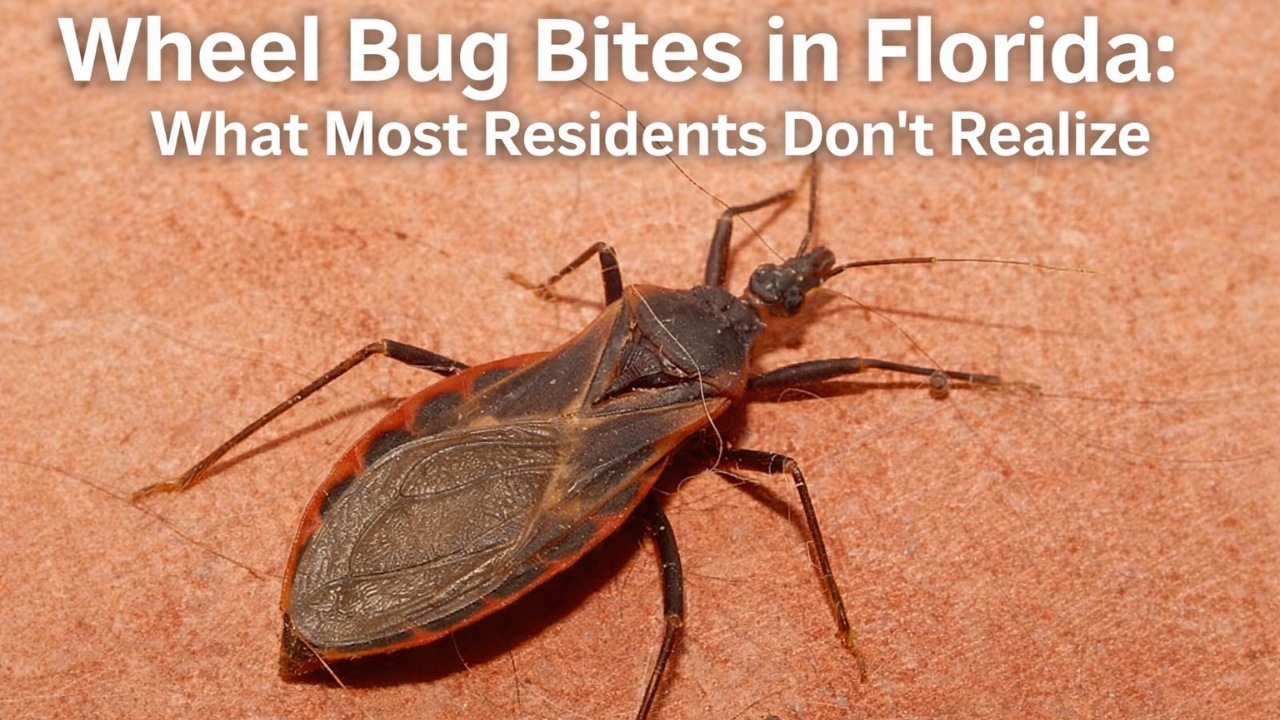
Florida’s warm climate supports a remarkable variety of insects. Dragonflies hover above wetlands, butterflies drift through gardens, and beetles crawl along tree bark, all forming part of the state’s rich ecosystems filled with tiny creatures living quietly alongside people. Most of these insects pass by largely unnoticed, blending into the backdrop of everyday life. From time to time, however, an unusual insect appears and quickly draws attention because of its strange look and unexpected behavior. One such insect is the wheel bug.
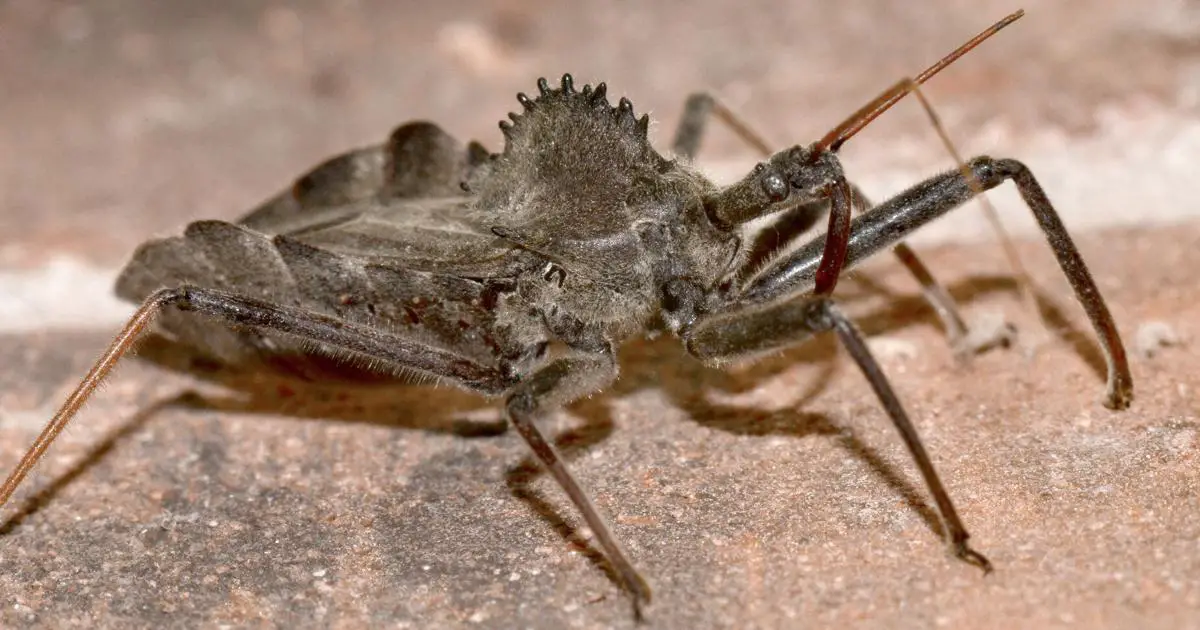
Many Florida residents come across wheel bugs without realizing what they are. The insect may slowly move across a porch railing, climb a tree trunk in the backyard, or rest on garden plants during warm afternoons. At first glance, it can look like a large gray beetle or a strange-looking stink bug. But when someone looks more closely, one feature immediately stands out: a jagged, gear-shaped crest rising from the middle of its back.
This unusual crest is what gives the insect its name. The wheel bug (Arilus cristatus) is one of the largest assassin bugs in North America, and its distinctive wheel-like structure makes it easy to recognize once people know what to watch for. Despite its intimidating appearance, the insect is not aggressive toward humans and spends most of its life hunting other insects.
Yet wheel bugs carry another reputation that can catch people off guard. If someone handles the insect or accidentally presses it against the skin, it can deliver a defensive bite using a sharp mouthpart meant for capturing prey. These bites are not medically dangerous, but they can be painful and unforgettable for anyone who experiences one.
Understanding wheel bug bites means looking beyond the brief moment of contact. The biology, behavior, and ecological role of these insects reveal a fascinating predator quietly living in Florida’s gardens, forests, and suburban landscapes. What may seem like a sudden insect bite is actually part of a complex natural system in which predators help regulate other insect populations.
The Unusual Insect Known as the Wheel Bug
The wheel bug belongs to a group of insects commonly known as assassin bugs, members of the large predatory family Reduviidae. This family contains more than 7,000 species worldwide, many of which are specialized hunters that prey on other insects. Unlike plant-feeding insects that damage vegetation, assassin bugs serve an important role as predators within natural ecosystems.
Among the assassin bugs found in North America, the wheel bug stands out as one of the most distinctive species. Adults can grow to about 1.5 inches long, making them noticeably larger than many insects people encounter in gardens or around homes. Their long legs and elongated bodies give them a somewhat spider-like look as they move slowly across leaves or tree bark.
The wheel bug’s body is typically gray or brownish-gray. These muted colors allow the insect to blend naturally with tree bark, dried vegetation, and shaded plant surfaces. Thanks to this camouflage, wheel bugs can remain nearly invisible while waiting for prey.
The insect’s most recognizable feature is the unusual semicircular crest on the thorax just behind the head. This crest resembles a tiny gear or cogwheel with small tooth-like projections along its edge. The wheel-shaped structure is unique among North American insects and makes the species easy to identify once people know what to look for.
Scientists are not entirely certain why the wheel-like structure evolved, but several theories have been proposed. One possibility is that it helps discourage predators by making the insect appear larger and more intimidating. Another idea suggests it may help individuals recognize members of their own species during mating.
Regardless of its exact purpose, the wheel crest gives the insect one of the most unusual silhouettes in the insect world. When viewed from the side, the structure forms a jagged outline that immediately sets the wheel bug apart from other insects.
Where Wheel Bugs Are Found in Florida
Wheel bugs are widely distributed across much of the eastern and central United States. Their range extends throughout nearly all of Florida, where the warm climate allows many insect species to flourish.
These predators prefer environments where plants, trees, and insect prey are plentiful. Forest edges, wooded areas, gardens, and shrub-filled landscapes provide ideal habitats.
In natural settings, wheel bugs commonly live in woodlands and along forest margins where caterpillars, beetles, and other insects occupy leaves and branches. The dense vegetation in these areas offers many hiding places where wheel bugs can wait for prey.
Wheel bugs also appear frequently in suburban environments. Gardens, ornamental shrubs, hedges, and fruit trees attract numerous plant-feeding insects that wheel bugs hunt.
Backyards filled with flowering plants or vegetable gardens can become surprisingly productive hunting grounds. Caterpillars feeding on leaves or beetles visiting flowers create easy opportunities for these predators. Because wheel bugs follow food sources rather than particular plant species, they tend to appear wherever insect populations are abundant.
Despite their relatively large size, they often go unnoticed. Their slow movements and effective camouflage allow them to blend into vegetation almost perfectly. Many people only notice the insect when it suddenly moves across a leaf or branch. Until that moment, the wheel bug may have been sitting quietly only inches away.
The Hunting Strategy of Assassin Bugs
Wheel bugs are highly efficient predators, and their hunting behavior reflects the strategy common among many assassin bugs.
Rather than actively chasing prey, they rely on a technique known as ambush hunting. This approach allows them to conserve energy while waiting for insects to move within striking distance. A wheel bug may remain motionless on plant stems, leaves, or tree bark for long periods. Its long legs help it grip surfaces securely while staying balanced and still. As it waits, the insect uses its large compound eyes to detect movement nearby. Any insect that lands on the same plant can quickly become a potential meal.
When prey comes close enough, the wheel bug suddenly lunges forward with remarkable speed. The insect uses a sharp mouthpart called a rostrum to pierce the body of its prey. This beak-like structure functions like a tiny spear designed to penetrate the exoskeleton of other insects. Once the rostrum enters the prey’s body, the wheel bug injects digestive enzymes and toxins. These substances quickly immobilize the victim. The enzymes then break down the internal tissues of the prey into liquid form. The predator consumes this liquefied material through the rostrum.
This feeding method allows wheel bugs to capture insects much larger than themselves. Caterpillars, beetles, grasshoppers, and even other predatory insects can become targets. Because of this powerful hunting ability, wheel bugs rank among the most effective insect predators in many ecosystems.
Why Wheel Bugs Sometimes Bite Humans
Although wheel bugs are skilled hunters, humans are not part of their natural diet. These insects have no reason to attack people and do not actively seek human contact.
Most wheel bug bites happen when the insect is accidentally handled, touched, or trapped against the skin. Gardeners may unknowingly grab one while trimming plants, or someone might brush against it while reaching into foliage.
When threatened, the wheel bug reacts defensively. Its rostrum, built for capturing prey, becomes a tool for self-defense. The insect may deliver a quick jab with the rostrum in an effort to escape the perceived threat. This defensive response is similar to the behavior seen in many other insects that bite or sting when disturbed.
The insect’s goal is not to attack but simply to create enough discomfort to allow it to get away. Once the threat disappears, the wheel bug usually moves off slowly and resumes its hunting behavior.
What a Wheel Bug Bite Feels Like
People who have experienced a wheel bug bite often describe the sensation as sharp and immediate. The bite may feel similar to a strong pinch or the prick of a needle. Because the insect’s rostrum is designed to pierce tough insect exoskeletons, it can easily penetrate human skin. When the insect injects digestive enzymes during the bite, the surrounding skin may respond quickly. Redness and swelling can appear within a short time. The body’s immune system reacts to the enzymes by triggering localized inflammation.
This reaction may cause itching, mild burning, or tenderness at the bite site. In some cases, a small raised bump may develop. The irritation can last for several hours or occasionally longer depending on a person’s sensitivity. Although wheel bug bites can be painful, they are not considered medically dangerous. Symptoms typically fade gradually over the next few days as the skin heals.
The Life Cycle of Wheel Bugs
Wheel bugs develop through a process known as incomplete metamorphosis. Unlike insects such as butterflies or beetles that pass through larval and pupal stages, wheel bugs grow through a series of gradual molts. The life cycle begins when female wheel bugs lay clusters of eggs on tree bark, branches, or other solid plant surfaces. Each cluster can contain dozens of barrel-shaped eggs arranged closely together.
The eggs remain attached to the surface until they hatch. After several weeks, small immature insects called nymphs emerge. These nymphs look like miniature versions of the adult insect but lack wings and the distinctive wheel crest. As the nymphs grow, they molt several times. Each molt allows the insect to shed its outer skin and increase in size. With each stage, the body gradually develops features that resemble the adult form. Eventually, the insect develops wings and the characteristic wheel-shaped crest on its thorax. This entire process usually takes several months, depending on environmental conditions such as temperature and the availability of food.
FAQs About Wheel Bug Bites in Florida
What is a wheel bug?
A wheel bug is a large predatory insect belonging to the assassin bug family.
Are wheel bugs dangerous to humans?
They are not dangerous but can deliver a painful defensive bite if handled.
Why are they called wheel bugs?
They have a distinctive gear-shaped crest on their back that resembles a wheel.
Do wheel bugs attack people?
No. They bite only when threatened or accidentally pressed against the skin.
What do wheel bugs eat?
They feed on other insects such as caterpillars, beetles, and plant pests.
Where are wheel bugs found?
They live in forests, gardens, and yards where insect prey is abundant.
Are wheel bugs beneficial?
Yes. They help control populations of plant-damaging insects.
How large are wheel bugs?
Adults typically reach about 1.5 inches in length.
Final Thoughts
Wheel bugs rank among the most fascinating predatory insects quietly living in Florida’s ecosystems. Their unusual wheel-shaped crest and ambush hunting behavior set them apart from many of the insects people notice around homes and gardens.
Although their defensive bite can be painful, wheel bugs are not aggressive toward humans and rarely interact with people unless they are disturbed.
In reality, these insects play an important ecological role by helping control populations of other insects that feed on plants.
For Florida residents who enjoy observing wildlife in their yards or gardens, spotting a wheel bug can offer a glimpse into the hidden predator-prey relationships shaping the insect world.
What may appear to be a strange insect moving across a tree trunk is actually a skilled hunter quietly maintaining balance within the complex ecosystems of Florida’s forests and neighborhoods.









Leave a Reply