

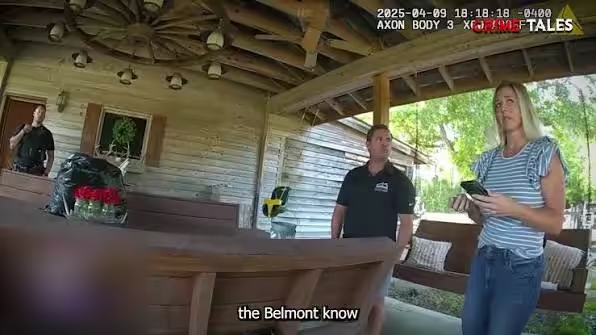
A longtime church employee in Florida stands accused of using a church credit card and bank accounts to pay for years of personal spending. Investigators say the total reached nearly $600,000 and covered cruises, airfare, insurance payments, and other costs that had nothing to do with church business.
Retired police lieutenant and former detective Andrew Baxter reviewed bodycam footage from the investigation on his Detective Andrew Baxter YouTube channel. He explained that the case started when newly appointed finance leaders at Amelia Baptist Church began examining records and found what they believed were serious discrepancies.
Baxter said the first major red flag came from credit card statements tied directly to the church’s financial secretary, identified in the video as Melissa. Her card allegedly showed personal spending that stretched back years.
One church representative told responding deputies that the financial secretary had already admitted to making unauthorized charges and electronic transfers. During an internal conversation, the representative said, she put the amount at around $300,000 since 2019.
Investigators later alleged the total was closer to $600,000.
Church Leaders Say They Found Cruises, Airfare And More

The bodycam footage opens with church representatives meeting deputies and walking them through how they uncovered the problem.
One church official said the turning point came when they obtained bank information and credit card records. These showed that the card assigned to the financial secretary had paid for purchases that didn’t seem connected to the church.
“Cruises, airfare, all sorts of stuff,” the representative told officers.
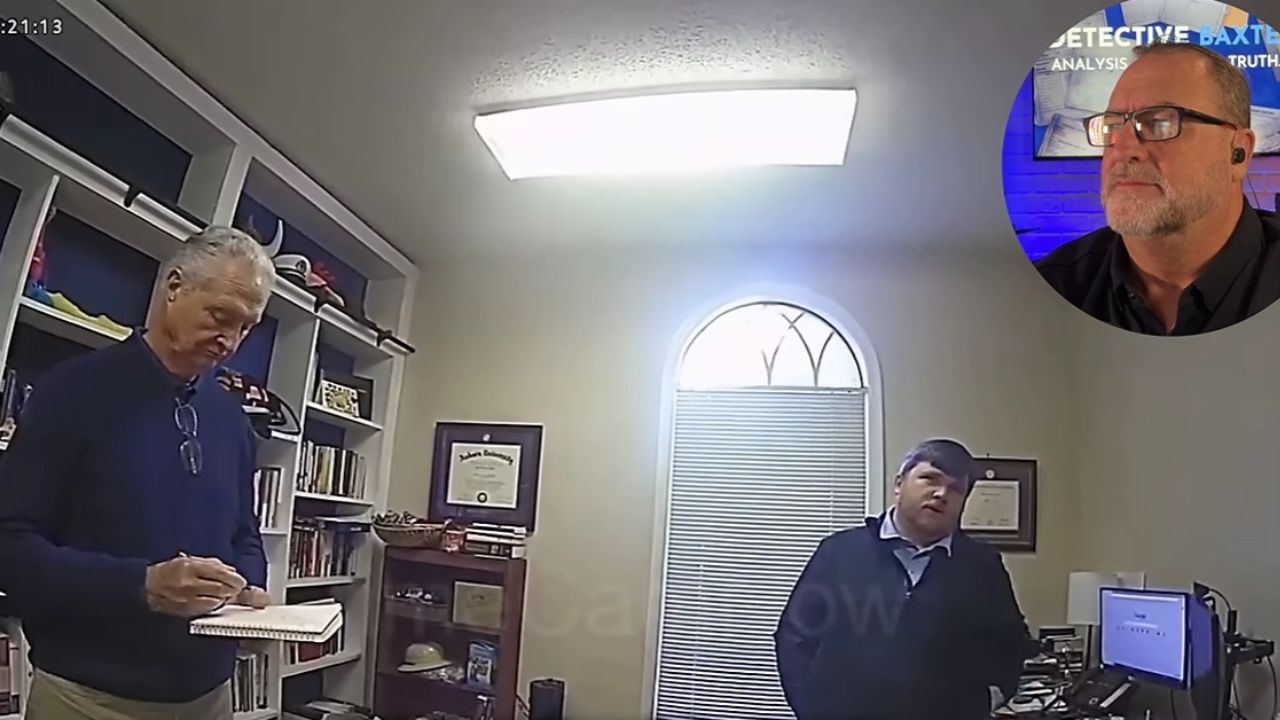
The church had access to several credit cards, but according to the footage, the one under scrutiny was tied specifically to Melissa.
Church leaders said they had records going back to at least late 2023 and were still trying to obtain older documents.
They also explained that a change in financial leadership helped them uncover the activity. Two people who had previously overseen church finances died near the end of 2023. New leaders then began pushing for greater access to account information and considered moving the church to another bank.
As they dug in, they said, they ran into delays in getting records and eventually found the questionable transactions.
That kind of internal transition can expose problems that stay hidden for years, especially in organizations where one employee has handled the same financial systems for a long time without much outside review.
Investigators Say Church Money Was Used To Cover The Card
One of the more important details in the footage involved how the credit card balances were allegedly paid.
A deputy first wondered whether the highlighted payments on the statements showed the employee paying down the card with her own money.
Church representatives said no.
Instead, they alleged that church money was being transferred from the organization’s bank account to pay off the same church credit card that had been used for personal purchases.
That meant the expense did not stop with the original charge.
The church’s money was allegedly used to fund the personal spending and then to pay off the credit card balance that spending created.
One deputy summed it up with the familiar phrase “robbing Peter to pay Paul,” though the church representative clarified that this was not a case of using personal money to cover the purchases.
They also pointed to electronic transfers that allegedly paid personal bills directly.
According to the discussion, the statements included charges for Walmart.com, Amazon, utilities, insurance, and travel. Church-related subscriptions such as Adobe were marked as legitimate expenses.
Baxter highlighted the importance of that distinction because investigators needed church officials to identify which transactions were authorized and which were not.
Cruises And Travel Drew Particular Attention
Some of the charges looked especially hard to explain as church business.
A representative pointed out Carnival cruise charges while deputies reviewed the paperwork.
The footage also references travel spending in Colorado, where Melissa had taken another job after shifting into a more part-time remote role with the church.
Church officials said they saw charges from locations tied to that travel as well.
Baxter opened his video by noting that investigators even alleged a Grand Canyon helicopter ride had been billed to the church.
That detail stood out because it goes well beyond the kind of expense someone could easily mistake for routine office spending.
Cruises, airfare, and travel experiences draw a much clearer line between personal use and church business than a generic retail purchase does.
Deputies Later Arrive With A Warrant
The investigation eventually shifted from reviewing financial records to locating Melissa after a warrant was issued.
Bodycam footage shows deputies arriving at a residence, where family members initially told officers that Melissa already planned to turn herself in the next morning.
Relatives repeatedly asked why police couldn’t simply honor that arrangement.
The officers explained that once they had a valid warrant signed by a judge and confirmed she was at the location, they couldn’t leave her there.
Baxter agreed with that explanation. He said an arrest warrant is effectively a court order directing law enforcement to take the person before the court.
Even if a detective had discussed a voluntary surrender for the following day, Baxter said, another officer who encountered the suspect while the warrant was still active would generally have to act on it.
The conversation stayed calm, although family members clearly felt frustrated and confused about why the timing had changed.
Melissa Says She Had Never Been In Trouble Before
When Melissa came outside, she told officers she had little prior experience with the criminal justice system.
“I like one speeding ticket. I’ve never been in any kind of trouble,” she said.
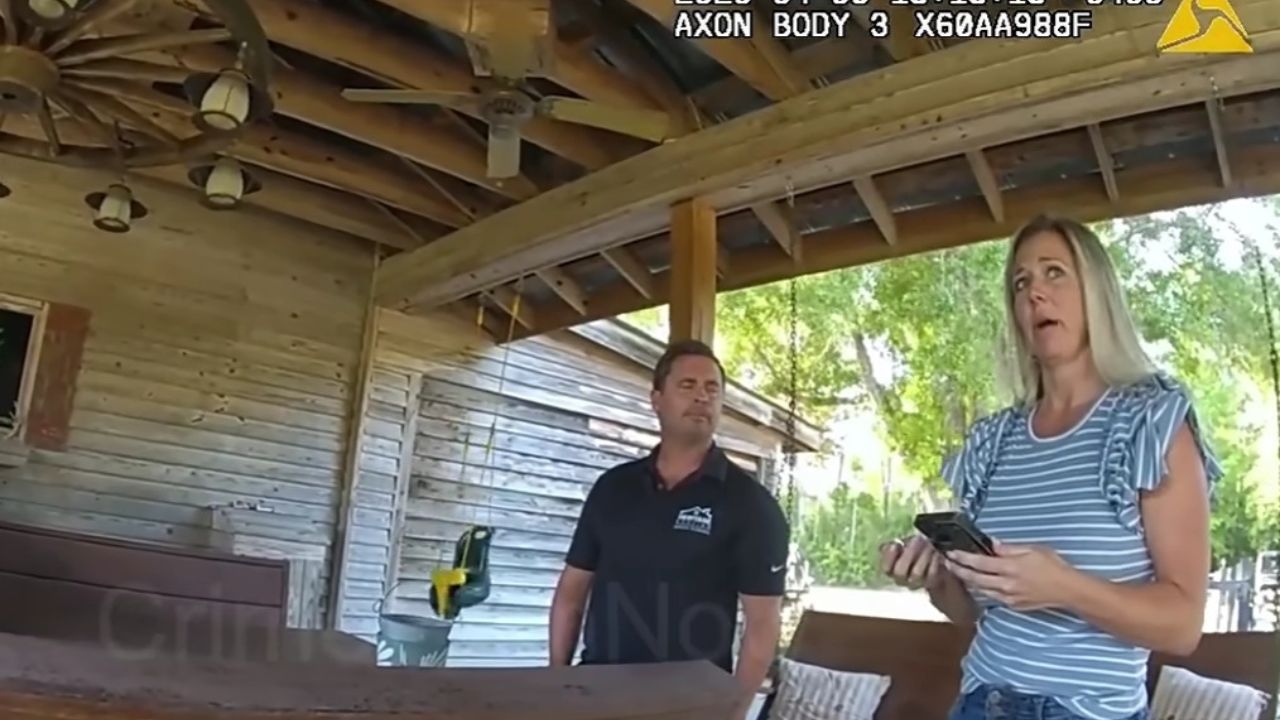
She also questioned why authorities had posted her photograph online as wanted when, according to her account, she had already contacted investigators and intended to surrender.
Melissa said she had seen the wanted post herself and worried that people believed she was actively fleeing.
She also raised concerns about strangers photographing her house because a reward had reportedly been attached to the notice.
“I’m not some horrible evil person that deserves to be, like, witch-mobbed,” she said, while also voicing concern for her children.
The officers told her they understood her frustration but stressed that they still had to carry out the warrant.
They also tried to keep the arrest as low-key as possible. They told her that if she stayed calm, they would avoid unnecessary handcuffing in front of the children.
The tone of that interaction is notable because it shows how white-collar cases can look very different from the dramatic arrests people often associate with serious felony charges, even when the alleged dollar amount is extremely high.
Baxter Says The Alleged Total Reached Nearly $600,000
At the end of the video, Baxter said Melissa was charged with grand theft involving more than $100,000, which he described as a first-degree felony under Florida law.
Investigators, he said, alleged that the overall amount reached nearly $600,000 in unauthorized charges, transfers, and extra payroll between 2019 and 2024.
Baxter also stressed that the case remained open and that he was not aware of any conviction.
He said a judge ordered Melissa in June 2026 to pay an initial $20,000 in restitution within 60 days, although he did not know whether she had made that payment.
He also made clear that the earlier estimate of roughly $300,000 came from church leaders recounting what Melissa allegedly admitted in an internal conversation. It did not come from a recorded confession shown in the bodycam footage.
That distinction matters because the court system still has to resolve the criminal case.
For now, the investigation paints a picture of alleged financial misconduct that went far beyond a few questionable purchases. It stretched across years of church credit card activity, bank transfers, and payroll.
The case is especially striking because the alleged spending was hidden inside a church’s finances, where trust often plays a large role in who handles money and how closely anyone reviews those transactions.
Once that trust broke down and new financial leaders began looking through the records, investigators say the trail led from ordinary account statements to cruises, airfare, and hundreds of thousands of dollars in disputed spending.








Leave a Reply