

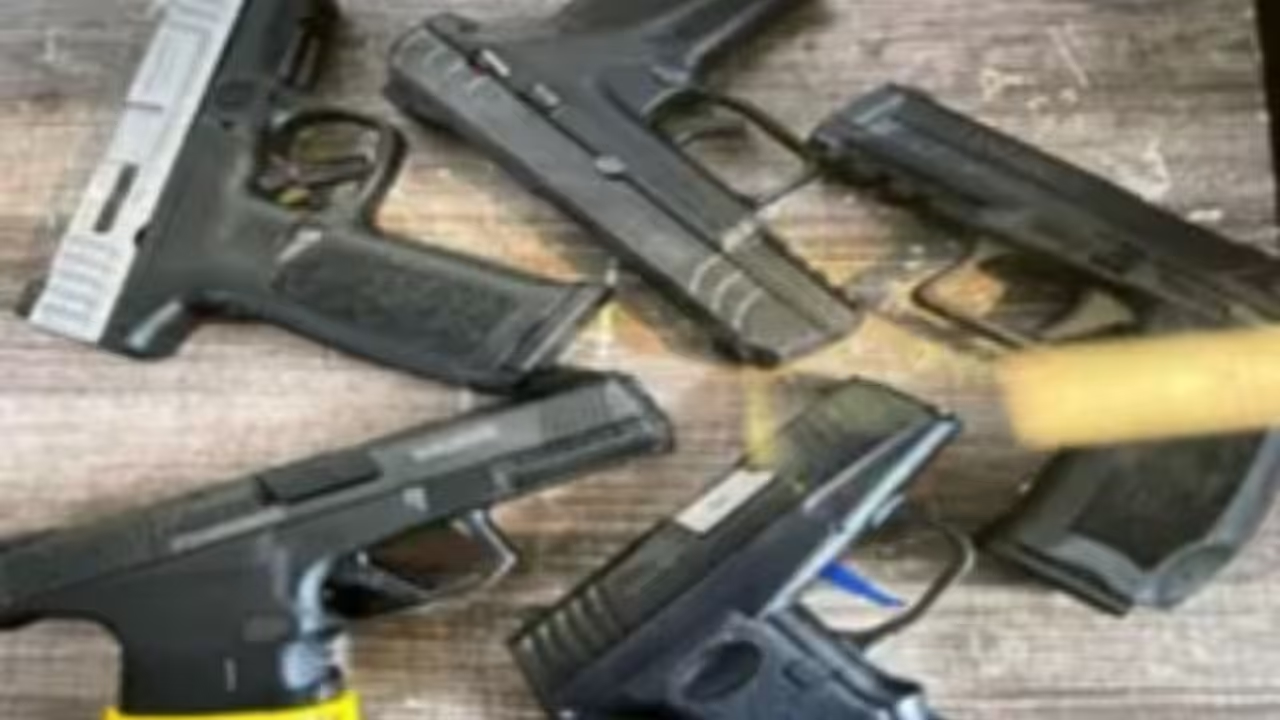
Thirteen people have been charged in connection with a gun smuggling operation across the United States-Canada border in New York.
Court documents show that between 2021 and 2024, the organization unlawfully transported 51 firearms across the northern border, which were later recovered at crime scenes in Canada, including kidnapping and attempted murder.
Eight of the 13 are inhabitants of New York’s Akwesasne Mohawk Indian Reservation, who have been charged with weapon trafficking.
- Jonathan Hart, 31
- Io-Rateka Swamp, 35
- Ranonkwatseronhawi Gibson, 22
- Tayson Terrance, 23
- Nash Oakes, 29
- Blade Oakes, 25
- Montana Cook, 27
- Conrad Oakes, 25
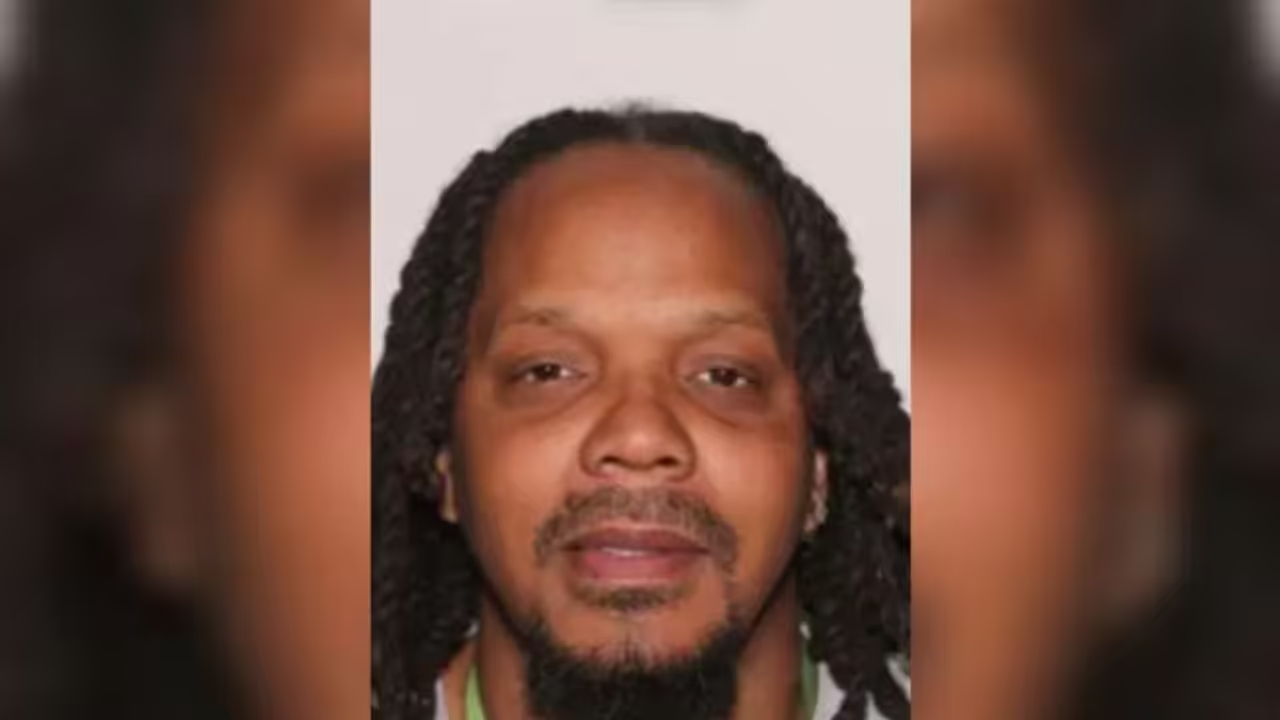
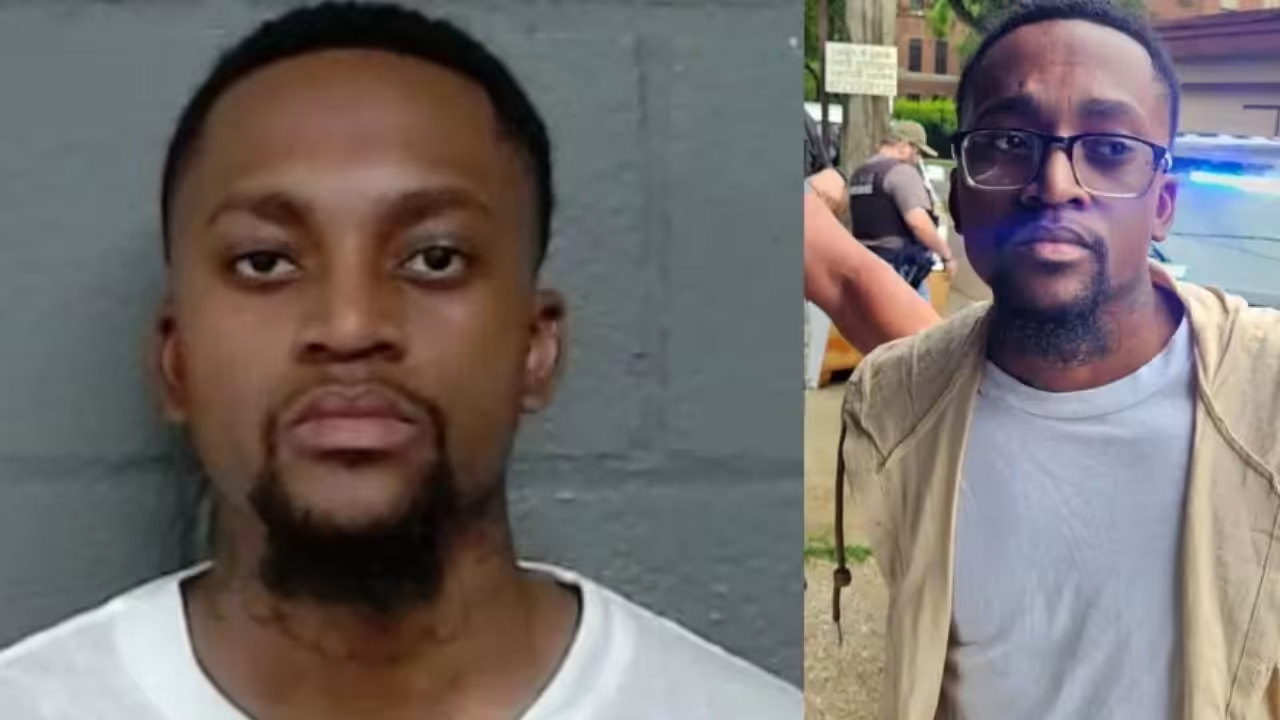
Hart, Swamp, and Blade Oakes remain at large, while the others were apprehended Tuesday.
The weapons were apparently obtained from licensed retailers in Keene, New Hampshire and Dummerston, Vermont. According to the United States Attorney’s Office in New Hampshire, five people from Vermont, New Hampshire, and Massachusetts pleaded guilty to charges earlier this year.
Those who have pled guilty include:
- Justin Jackson, 46, of Dummerston, Vermont
- Melissa Longe, 44, of Dummerston, Vermont
- Dustin Tuttle, 25, of Keene, New Hampshire
- Caleb Wilcott, 23, of Chesterfield, New Hampshire
- Doug Mulligan, 80, of New Salem, Massachusetts
One of the people arrested worked for American Trikes & Motorsports in Keene. Doug Mulligan allegedly warned suspected traffickers by posting a message on their car.
Jackson, Longe, and Tuttle pleaded guilty to conspiracy to traffic firearms and other offenses, while Wilcott admitted to making false statements and Mulligan to being a felon in possession of a firearm.
The investigation into the smuggling ring involved law enforcement from four states and two Canadian provinces. Chief Superintendent Mike Stoddart of the Ontario Provincial Police stated that Canadian police “work side by side with U.S. agencies to share intelligence and target cross-border criminal networks.”
“Our border communities are not a free lane for criminal organizations – they are where our families live and our livelihoods are built,” said Erin Keegan of Homeland Security Investigations in Buffalo, New York.

Leave a Reply