

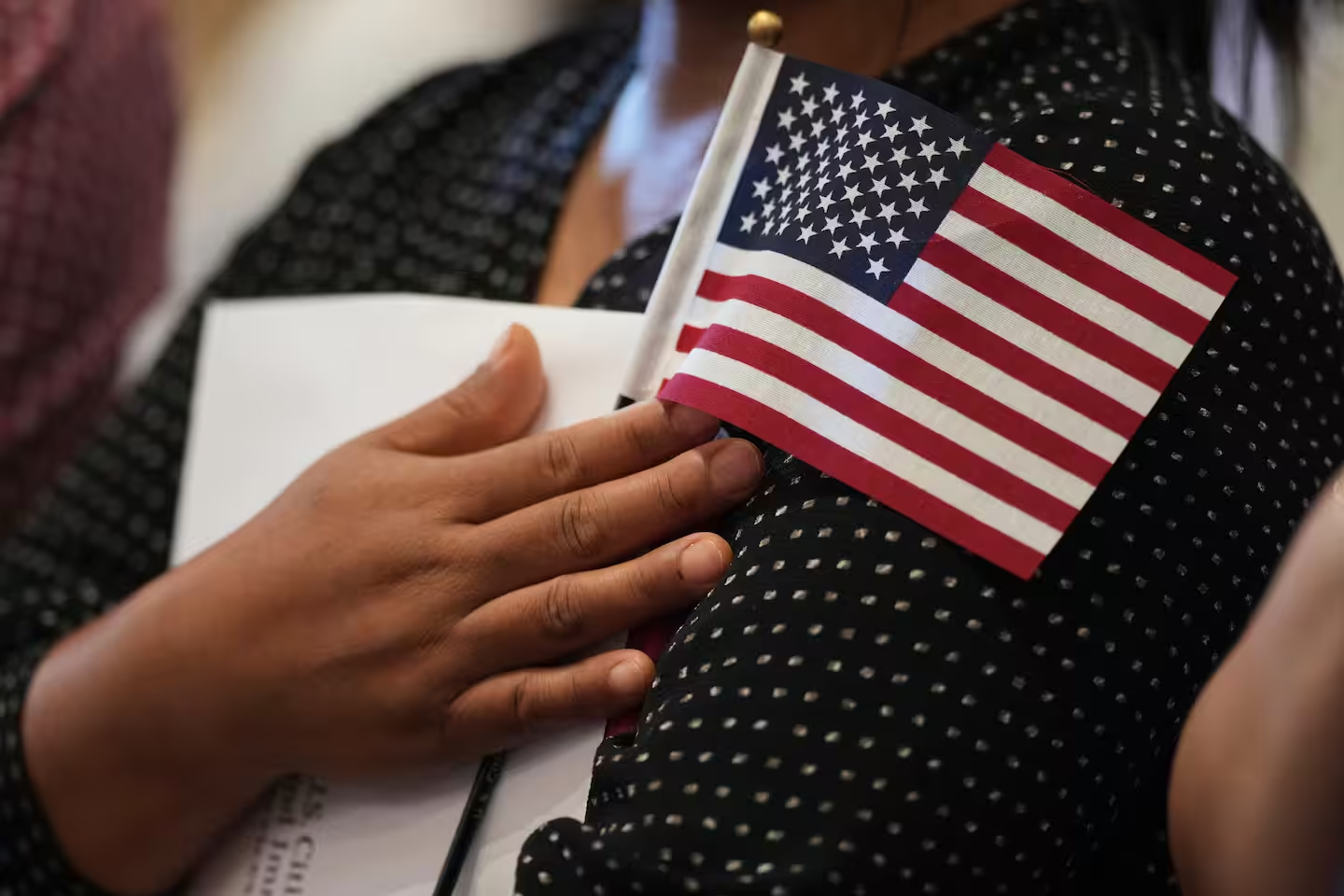
DOJ seeks to revoke citizenship of 12 people accused of fraud, terrorism ties and war crimes
The Department of Justice announced Friday that it is pursuing denaturalization cases against 12 people across the country who allegedly obtained U.S. citizenship through fraud.
Federal prosecutors filed the cases in U.S. District Courts nationwide this week, accusing the individuals of lying during the naturalization process, including concealing past criminal conduct.
According to the DOJ, the group — ranging in age from 28 to 75 — hid serious offenses while applying for legal status. The allegations include providing material support to a terrorist organization, committing war crimes and sexually abusing a minor.
One of the individuals named is former U.S. Ambassador to Bolivia Victor Manuel Rocha, a Colombia native currently serving a 15-year federal prison sentence after pleading guilty to charges connected to secretly working as a spy for the Cuban government.
Others facing possible loss of citizenship include five natives of African nations, three from Asia and two from South America, the DOJ said.
The Trump administration argues these individuals were never eligible to become U.S. citizens and says their citizenship should be revoked because it was “illegally procured or procured by concealment of a material fact or by willful misrepresentation.”
“The Trump administration is taking action to correct these egregious violations of our immigration system,” acting Attorney General Todd Blanche said. “Those who intentionally concealed their criminal histories or misrepresented themselves during the naturalization process will face the fullest extent of the law.”
The latest filings are part of the Trump administration’s broader effort to strip citizenship from some naturalized immigrants.
In June, DOJ civil division employees received a memo directing them to “maximally pursue denaturalization proceedings.” The memo identified 10 priority categories, including people considered national security threats and those facing pending criminal charges.
In December, the Department of Homeland Security was also instructed to submit as many as 200 referrals for possible denaturalization cases.
Unlike most immigration matters, denaturalization can only happen in federal court rather than through administrative proceedings. The government also faces a “high burden of proof” when trying to revoke citizenship. U.S. Citizenship and Immigration Services says civil denaturalization cases require “clear, convincing, and unequivocal evidence which does not leave the issue in doubt.”
Historically, these cases have been uncommon. Research shows the U.S. government opened an average of 11 denaturalization cases annually between 1990 and 2017. During the first Trump administration, that number increased slightly to about 25 cases per year.



Leave a Reply