

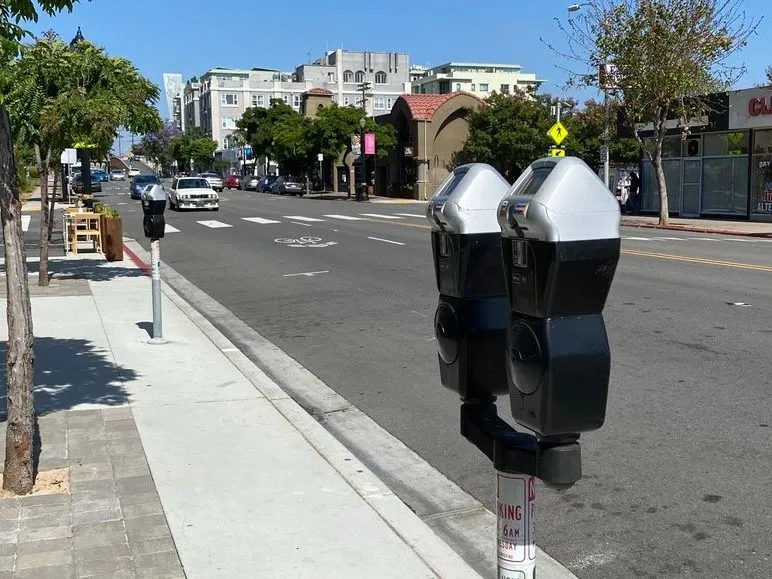
Cleveland City Council approved a new parking ordinance Monday night designed to make on-street parking more affordable and easier to understand after residents, workers and business owners voiced concerns about rising rates and longer paid parking hours under the city’s new parking program.
Councilman Kevin Bishop, who sponsored the legislation, said the measure aims to help Cleveland residents and employees manage parking costs both downtown and in neighborhood areas.
“We’re trying to help Clevelanders who live, work in the city be able to afford to park downtown and, in their neighborhoods,” Bishop said. “We want rates to be predictable and practical.”
What the ordinance changes
Under Ordinance 522-2026, the city would reduce neighborhood on-street parking rates to $1 per hour for up to eight hours, with rates increasing to as much as $3 per hour after that period.
The ordinance also requires the city to provide a cash-and-coins payment option within 600 feet of every individual street parking space.
Bishop said the changes are important as residents continue dealing with rising living expenses.
“With the economy, gas prices have skyrocketed, rents have increased, food prices have increased and to have your parking triple, I think that’s a big hit to Clevelanders whose are already struggling with trying to make ends meet,” Bishop said.
Paid parking hours
The ordinance establishes specific timeframes during which the city can charge for on-street parking.
Downtown parking area:
- Monday through Thursday: 7 a.m. to 8 p.m.
- Friday: 7 a.m. to 10 p.m.
- Saturday: 4 p.m. to 10 p.m.
- Sunday: Only during special events
Areas outside downtown:
- Monday through Friday: 7 a.m. to 6 p.m.
Oversight and future meter zones
The ordinance also introduces oversight measures. It requires the Director of Public Works to provide City Council with implementation updates and parking data one year after the law takes effect. The director must also submit all regulations and future changes to the Clerk of Council and publish them in the City Record.
Additionally, any new parking meter zones created after May 15, 2026, would need Council approval.
Bishop said he hopes the administration and Council can continue collaborating on parking reforms.
“So, we’re just trying to reset the table just a little bit, give people something that they can understand when they come downtown to park,” Bishop said.
Only two Council members voted against the ordinance.
What happens next
The ordinance now goes to the Mayor for consideration. If signed into law, the city will begin implementing the updated parking rates, operating hours and payment requirements.








Leave a Reply