

CLEVELAND — Sudden infant deaths rise among Black babies: Safe sleep campaigns have helped lower sudden unexpected infant deaths for years. However, a new University of Colorado Boulder study found that these deaths have risen among Black babies since 2020, while rates among White infants have remained relatively steady. The study was published in JAMA Network Open.
Researchers examined federal data covering nearly 58 million births between 2003 and 2024. Preterm birth remains the main factor contributing to the overall difference in infant deaths between the two groups. However, researchers found that sudden unexpected infant death now accounts for the recent increase. This means a significant gap would still exist even if the differences in preterm birth rates disappeared.
Researchers still don’t know what is causing these deaths to rise. The increase began during the COVID-19 pandemic, which also brought more respiratory illnesses and made accessing health care more difficult.
A child’s first smartphone and eating disorder symptoms
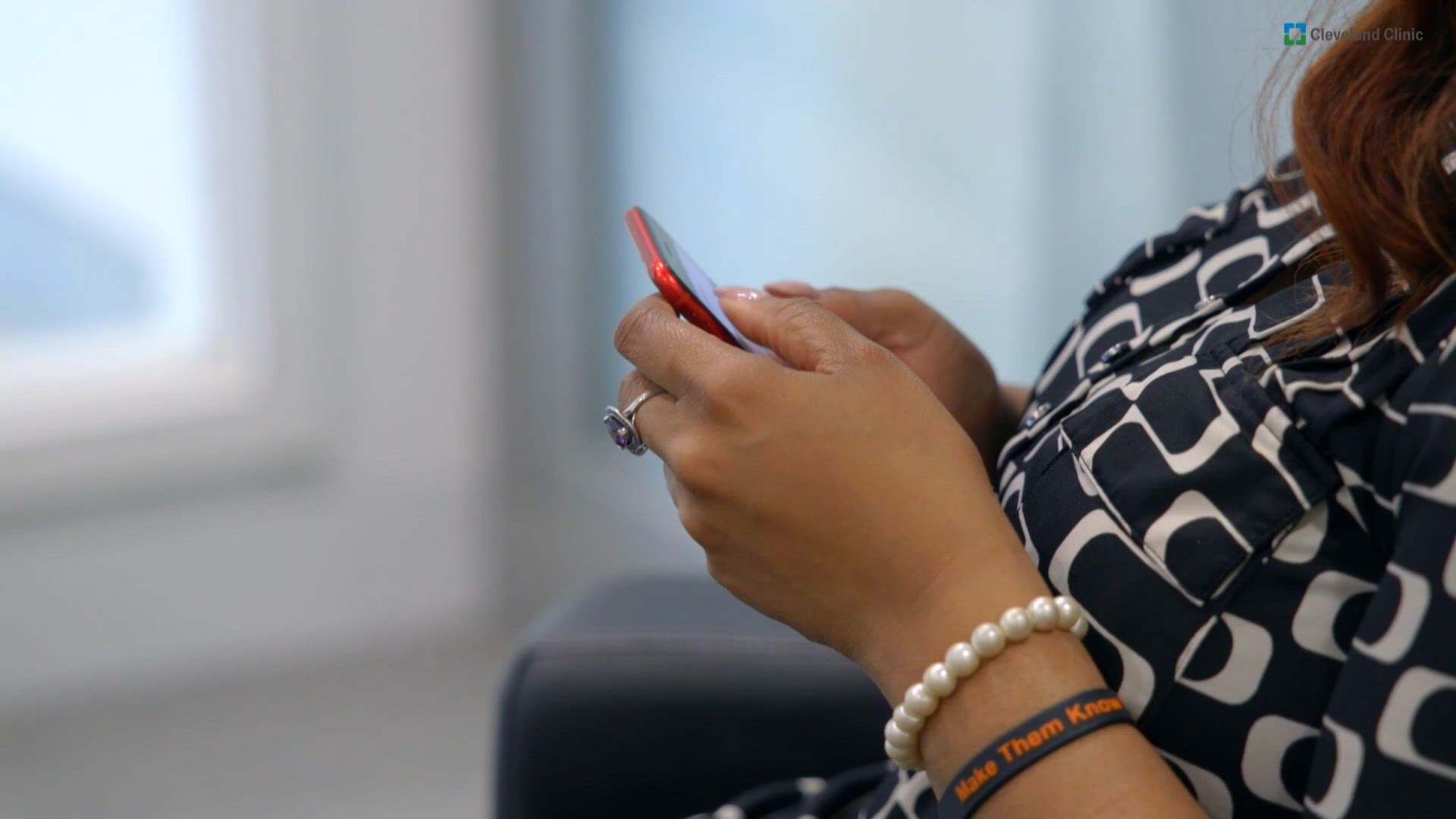
The age when a child gets a first phone may matter just as much as the amount of time they spend using it. A University of California, San Francisco study involving nearly 9,000 adolescents found that children who owned a smartphone at age 12 were more likely to report eating disorder symptoms by age 14. About 24% of children who owned phones reported at least one symptom, compared with fewer than 16% of those without phones.
Children who had phones at 12 were also twice as likely to connect their self-worth to their weight. Researchers highlighted appearance-focused content and filtered or edited images shared by influencers online. Experts recommend controlling which apps children can download, keeping phones out of bedrooms and having open conversations about what children see online. They also advise parents to watch for changes in children’s eating habits or the way they talk about their bodies.
Loneliness may cost years of healthy life
Loneliness and social disconnection may affect long-term health. A Tulane University study followed more than 277,000 adults in the United Kingdom and found that people who experienced both loneliness and social isolation spent fewer years free from physical and mental illness.
Men lost nearly six years free of mental illness, while women lost almost four. Healthy habits, including exercise, adequate sleep and avoiding smoking, helped reduce the effects of social isolation but did not offset loneliness. Researchers say about half of American adults report experiencing loneliness.
Finding a screen time balance for school-age kids
Children now use screens both at school and at home, but pediatric experts at Cleveland Clinic Children’s don’t include homework or schoolwork when calculating screen time. They recommend limiting recreational screen use to less than two hours a day. Dividing that time into 30-minute periods can make the limit easier to manage. For instance, a child could use a tablet after school before riding a bike, working on a puzzle or reading a book.
Excessive screen time can affect children’s behavior, attention span and mood. However, those effects aren’t permanent. Reducing screen use around bedtime can also make it easier for children to fall asleep.











Leave a Reply